By Tim Smaha, D.V.M. AAIV Alternate Delegate to the AVMA HOD The AVMA officers, board of directors, and house of delegates met in Washington D.C. in conjunction with the annual AVMA conference. The HOD meeting was a full two days of meeting with AVMA leadership that included legislative fly-in to meet with congress about two bills that AVMA is working to get passed in this congress. On Thursday July 17, the members of AVMA leadership and the house of delegates met with lawmakers from all 50 states, D.C. and Puerto Rico to gain sponsorship and support for two bills currently in committee in this congress. The first is the Rural Veterinary Workforce Act which has bipartisan support. The bill would essentially help relieve rural veterinarians who work with public health or food animals of the tax burdens that they currently face. A similar bill was passed in 2002 for medical doctors, and this bill has been introduced in congress for several years under the name Veterinary Medicine Loan Repayment Program Enhancement Act. The second bill currently in congress is the Combating Illicit Xylazine Act. This bill is supported by the AVMA and aims to have Xylazine scheduled as a DEA schedule III drug as soon as possible and allow for protection of xylazine that is used for veterinary purposes. During the meeting, election was held for President Elect of AVMA and Dr. Jennifer Quammen was voted into office. The one council position which had an open vote included the Council on Veterinary Service (CoVS) recent graduate or emerging leader position. Dr. Tara Fellows Barron immediate past president of SCAVMA was elected into that position. The CoVS position for credentialed veterinary technician also had no nominations and will remain open. The last election that took place was for the House Advisory Committee. There were three at large positions up for election and they were filled by Dr. Stuart Brown and Dr. Diana Thome being reelected for a second term. Dr. Christopher Gargamelli of Boehringer Ingelheim was elected to the third HAC open position. We also had nominations for Vice President elect and president elect and both saw one nominee — Dr. Bob Knapp from Ohio for the President Elect position and Dr. Elizabeth Boggier of New Jersey for Vice President Elect. The conclusion was voting on a series of resolutions to existing policies that had been reviewed by the Food Animal Safety Committee and the Animal Welfare Committee. All resolutions passed and included minor modifications since committee review. Pediatric Sterilization of Dogs, Cats and Rabbits Therapeutic Pet Food Health Claims Sow Housing Declawing of Domestic Cats Pain in Animals There were several changes to the Model Veterinary Practice act that had been referred from the 2022 session. These were presented as a single resolution that encompassed rearrangement of the MVPA into relevant groups of sections, nomenclature for licensed veterinary technicians (and eliminating credentialed and registered to highlight the licensing process. A new section was added to the MVPA to further define telemedicine and the use of telemedicine in practice. The changes the MVPA were passed. Please send any comments or questions to AAIV at industryvet@aaivet.org . As always, thank you for your support and we are here for you.

By Debra Nickelson, D.V.M. AAIV Delegate to the AVMA HOD One of the most interesting roles of the House of Delegates is to vote for the AVMA President-Elect every year. While the states have a number of votes based on AVMA member population in each state, the allied organizations such as AAIV have one vote each. We do want to represent your interests for the next AVMA President-Elect 2025-2026 who will automatically become President 2026-2027. Please review the information about the two candidates for 2025-2026 AVMA President-Elect and let us know your thoughts and questions. Our vote is your vote!
By Debra Nickelson, D.V.M., AAIV Delegate to the AVMA HOD The House of Delegates for the AVMA met during the Veterinary Leadership Symposium Jan. 9-11 in Chicago. It snowed there too, but we were inside watching it. Dr. Tim Smaha and I represent The American Association of Industry Veterinarians. During this meeting, Dr. Carolyn Luther, our President-Elect took Dr. Smaha’s place. Please send any comments or questions to AAIV at industryvet@gmail.com . As always, thank you for your support and we are here for you. Resolutions There were 8 resolutions brought forward to the House of Delegates for review. Such resolutions are brought to the House if a new policy is created, an existing policy needs changes, if the Board of Directors determines the policy to be pertinent or if a state or allied organization puts forth a policy. A new policy on Rules for AVMA Officer Election Campaigns was referred back to the house advisory committee for revision and clarification, especially on guidelines for funding and social media. Dr. Scott Dee (MN) submitted a policy on Evidence-Based Biosecurity to protect the health and welfare of humans and animals. The resolution passed after taking out “evidence-based” and recommending that AVMA develop a list of resources for veterinarians to use. Massachusetts submitted a policy on The Role of Veterinary Medicine in Advancing Cellular Agriculture for Food Security and Animal Welfare . While delegates seemed to agree that veterinarians should be at the table and not on the table, people did not agree with some of the inflammatory language about animal agriculture. The resolution did not pass and the topic will be sent to the emerging technologies group for further work. A revised policy on Removal of Antlers (Velveting) passed in that the AVMA discourages the practice of removing living antlers for non-therapeutic purposes. This does not apply to hardened non-viable antlers. Some of the Allied Groups, including AAIV asked that AVMA reconsider the minimum percentage of AVMA members of the total allied organization membership in order for the allied organization to be included in the House of Delegates. This was sparked by the policy on Annual Membership Dues Increases which passed. There will be a dues increase of $20 for the year 2026 and additional dues increases from 2027-2030 at the Board’s discretion. The revised policy on Complementary, Alternative, and Integrative Veterinary Medicine passed in that these modalities should be held to the same standards as traditional medical therapies. A new policy on License by Endorsement passed after it was made clear to affect only veterinarians and veterinary technicians (not some other mid-level practitioner group, as the delegate in CO asked). This allows temporary licensure for qualified applicants until approval is finalized. The Steering Committee on Human-Animal Interactions revised a policy on Guidelines for Pet Ownership to consider diversity, equity, inclusivity and more non-judgmental wording. It passed. The actual resolutions are listed here: Resolution 1 – Rules for AVMA officer election campaigns Resolution 2 – Evidence-based biosecurity Resolution 3 – New policy endorsing research, production, and sales of cellular agriculture animal protein products for food Resolution 4 – Revised policy on removal of antlers (velveting) Resolution 5 – Annual membership dues increase Resolution 6 – Revised policy on complementary, alternative, and integrative veterinary medicine Resolution 7 – New policy on license by endorsement Resolution 8 – Revised policy on guidelines for pet ownership And the reference is here Delegates approve new polices on biosecurity, license by endorsement | American Veterinary Medical Association Veterinary Information Forum – topics Supporting Rural Veterinarians There are many programs and suggestions to ensure that rural practices (including companion animals) remain an attractive and fulfilling career choice. Delegates discussed safety concerns, access to health care, partner job prospects, work life balance. AVMA leaders discuss how to strengthen rural veterinary medicine | American Veterinary Medical Association Current Status of Accreditation in Veterinary Education Dr. David Granstrom gave a detailed presentation of the standards driven evidence based, peer reviewed process for accreditation of veterinary schools. He will retire in March as assistant executive vice president and chief accreditation and certification officer after 22 years with the AVMA. Balancing growth, quality as veterinary education landscape evolves | American Veterinary Medical Association Candidates and Elections Dr. Mary Ergen and Dr. Jen Quammen are running for AVMA President-Elect Dr. Yung-Yi Mosley was appointed to represent Immunology on the Council on Biologic and Therapeutic Agents Dr. Jennifer Glass was elected to represent private mixed practice on the Council on Veterinary Service Please send any comments or questions to AAIV at industryvet@gmail.com . As always, thank you for your support and we are here for you.
By Debra Nickelson, D.V.M., AAIV Delegate to the AVMA HOD What does representation in the House of Delegates mean for members of the American Association of Industry Veterinarians? AAIV is one of many allied organizations represented in the House of Delegates. Other allied organizations are the species groups, government groups, specialty groups, and our favorite, SAVMA. Your delegates, Dr. Tim Smaha and I look at each resolution and information topic with eyes and ears for the interest of animal and human health companies, especially regarding the veterinarians who work or may want to work with these companies. We discuss the topics with the AAIV board of directors at our monthly meetings and often survey the mailing list for insight. Also, AAIV invites candidates for AVMA President-Elect and AVMA Vice-President to virtually join a board meeting to present their candidacy and answer questions. As candidates are announced a year before the actual election, we welcome your comments before we cast the AAIV vote. In addition, AAIV looks for open positions on AVMA councils, committees and task forces in which industry veterinarians would do well to serve. Stay tuned for possible positions in our future newsletters. Some of these require nomination from AAIV, but most do not require any group’s nomination. So please nominate yourself if you are interested in serving. Twice a year, the entire House of Delegates meets for two days, and the allied groups start at 6:00 AM the first day. That day ends with the district meetings at about 8:00 PM or so. The second day is a bit shorter but still important. Please send any comments or questions to AAIV at industryvet@gmail.com . As always, thank you for your support and we are here for you.
By Timothy Smaha, D.V.M., AAIV Alternate Delegate to the AVMA HOD The 2024 AVMA convention was held in Austin, Texas, with the House of Delegates meeting on June 20-21. At the meeting, the House of Delegates was updated on the recent outbreak of Highly Pathogenic Avian Influenza, heard from outgoing president and vice president, and welcomed the new officers – Dr. Sandra Faeh as President, Dr. Michael Bailey as President-Elect and Dr. Gary Marshall as Vice President. Furthermore, the initial campaign was kicked off for President-Elect for 2025 with two candidates presenting to the HOD – Drs. Mary Ergen and Jennifer Quammen. The HOD groups met in reference committees to discuss several resolutions/revisions and further discuss information gathered during the Veterinary Information Forum in January. The approved resolutions included updates to the Principles of Veterinary Medical Ethics, which occurs every five years. The changes included a code of conduct that comprises three sections: Provide competent medical care Prioritize patient welfare in balance with client needs and public safety Uphold standards of professionalism. The second vote was to approve a new AVMA policy on the Transportation of Animals. Humane transport of animals should be evidence-based and address the animals handling, equipment, facilities, transport vehicles and must provide for safety of animals and personnel while minimizing stress, injury, and transmission of disease. This guidance was developed in collaboration with veterinarians, animal welfare scientists and transportation experts. The final resolution was presented to recognize active duty and reserve military veterinarians of the uniformed services. The HOD consensus was that all branches of the uniformed service, including public health and NOAA officers, should be recognized. This resolution was adopted. Veterinary Information Forum topics discussed included professional liability insurance for veterinarians. This topic was referred to the Board of Directors to consider two actions. The first action was to investigate the development of reputation management (reputation defense) resources for members. The second action was to collaborate with AVMA PLIT to create an omnichannel approach to educate members on programs and issues related to liability. Other discussions that will surely be revisited in January include updates to the Model Veterinary Practice Act, License portability (especially for mobile veterinarians or those who have practices in multiple states), and the use of technology and artificial intelligence in veterinary medicine. There are several open positions on the AVMA Council on Therapeutics and Biologics. Interested members should consider application to the committee if qualifications are met. There also are several openings on committees including the Animal Welfare Committee, Veterinary Leadership Conference (VLC) planning committee and the Clinical Practitioners Advisory Committee (CPAC). Please visit AVMA Volunteer opportunities and open positions for more information on how you can apply and get involved. You can read about all of the topics and resolutions in the AVMA blog about the HOD meeting here: AVMA Meeting recap .
By Debra Nickelson, D.V.M., MBA Your HOD delegates participated in a meeting with AVMA on March 1 to hear about the most recent legislation concerning xylazine. Here is a summary and more details directly from AVMA are below. There is a provision in newest legislation that the DEA cannot require manufacturers of xylazine to incur capital expenditures to meet DEA requirements of clinics. Manufacturers will have one year to get labels changed and institute SOPs for xylazine Labels will classify product as a schedule 3, non-narcotic FDA and DEA will expedite all manufacturer submissions Manufacturers may have to change distribution to 1-2 areas, decreasing the number of current distributors An updated version of the Combating Illicit Xylazine Act has become public. The updated language can be found here . The updated approach is the result of much effort and is now supported by both Democrats and Republicans in the House and Senate. It is currently the viable political pathway to address the problem of illicit xylazine while working to preserve the availability and current uses of the legitimate veterinary drug. The updated approach seeks to address the unintended consequences of scheduling xylazine via a different approach than an exemption. This new approach is to schedule xylazine under the federal controlled substances act as a schedule III drug and make amendments to the controlled substances act to ensure the common uses of xylazine remain legal, as well as some additional provisions to help maintain the availability of the drug and track the legitimate supply. From the AVMA: On April 1, the AVMA sent a letter to Congressional leaders urging them to move quickly to enact this approach. It is the right balance between empowering law enforcement to combat illicit xylazine while maintaining the legitimate veterinary uses. What does the new approach do? Xylazine would be scheduled under the federal controlled substances act as a schedule III drug. For xylazine only, it would expand the definition of “ultimate user” under the federal controlled substances act The current definition of ultimate user under the federal controlled substances act limits the prescribing or dispensing of controlled substances by a veterinarian to a person “for an animal owned by him or by a member of his household.” This definition does not work for many of the uses of xylazine. For xylazine only, the bill would amend the definition of ultimate user to allow appropriate prescribing or dispensing of xylazine as a controlled drug for possession by a person for: An animal owned by them or a member of their household; An animal under their care; Use in government animal control programs; Use in wildlife programs authorized by law. For xylazine, the term “person” includes: a government agency or business where animals are located, and an employee or agent of an agency or business acting within the scope of their employment or agency. The updated definition of ultimate user for xylazine is intended to allow the current legitimate uses of xylazine to continue. In order to help facilitate the ongoing commercial availability of the legitimate supply of xylazine the bill includes provisions to: Ensure that current manufacturers of FDA-approved xylazine do not have to make capital expenditures to their facilities for the purpose of continuing to manufacture xylazine. Provide a one-year transition period for the requirements related to labeling, packaging, and distribution logistics. Require the FDA and DEA to facilitate and expedite any required manufacturer applications and submissions. Veterinarians that utilize xylazine in their practice and are not already registered with the DEA, would have 60 days after enactment to apply for DEA practitioner registration. A practitioner that has applied for registration during this period may continue their lawful activities until such application is approved or denied. Veterinarians that maintain an inventory of xylazine would have 60 days after enactment to comply with the record keeping and inventory requirements for a schedule III drug. The bill would require manufacturers and distributors (not veterinarians) to report product sales and movement through the DEA Automation of Reports and Consolidated Orders System (ARCOS). ARCOS is an automated, comprehensive drug reporting system which monitors the flow of DEA controlled substances from their point of manufacture through commercial distribution channels. Why does the AVMA support this new approach? It will provide law enforcement with tools to interdict illicit xylazine. It contains many provisions to increase the likelihood of maintaining the commercial availability of the legitimate supply of xylazine for use in veterinary practice. It addresses the vast majority of the unintended consequences of scheduling xylazine. It is the politically viable approach. The AVMA has worked very closely with AABP and AAEP, as well as the zoo, wildlife and research groups, to ensure the approach works for the most critical uses of xylazine in veterinary medicine. Will the AVMA provide additional information? If the updated Combating Illicit Xylazine language is enacted, the AVMA will undertake an educational outreach effort to ensure that veterinarians who utilize and have inventories of xylazine understand their obligations during the transition period.
By Debra Nickelson D.V.M., MBA AAIV Delegate The House of Delegates for the AVMA met during the Veterinary Leadership Symposium early January in Chicago. For once it was rather nice outside! The American Association of Industry Veterinarians is represented by myself and Dr. Tim Smaha. Please send any comments or questions to AAIV at industryvets@gmail.com . As always, thank you for your support and we are here for you. Candidates and Elections Dr. Michael Q. Bailey is running unopposed for AVMA President-Elect 2024-2025 Dr. Gary Marshall is running unopposed for AVMA Vice President 2024-2026 These individuals were elected due to running unopposed: Dr. Bridget Eichos – Council on Public Health Dr. Lloyd Reitz – Council on Research, private practice Dr. Jessica Fox – Council on Veterinary Service, private mixed practice Dr. Kristin Haas – Council on Public Health Resolutions There were six resolutions brought forward to the House of Delegates for review. Such resolutions are brought to the House if a new policy is created, an existing policy needs rewording or if the Board of Directors determines the policy to be pertinent. The official AVMA summary is Delegates update AVMA policies on diets for cats and dogs, animal loss support services | American Veterinary Medical Association but my summary follows. A new policy on Mitigating Hazards in the Veterinary Workplace was referred back to the Board of Directors. The goal was to combine the policy on Guidelines for Addressing Hazards in the Workplace and the policy on Veterinary Facility Occupational Risks for Pregnant Workers. It was determined that the wording in this combination needed more work. A revised policy on Safe Non-Commercial Transport of Pets in Motor Vehicles passed after some minor amendments. There was much discussion about different cultures, economic challenges, services animals, etc. but it was determined that this is a statement and recommendation, not a requirement. A revised policy on Dog and Cat Population Management passed after four amendments. This resolution stressed the need for awareness and education to reduce relinquishment, the importance of sterilization of privately owned dogs and cats, preventing unrestricted or unsupervised outdoor access, preventing or managing behavior issues and how to keep pets in the home. And appropriate veterinary care, of course. A revised policy on Safety Testing was passed to emphasize the need to refine, reduce and replace live animals in research. A revised policy on Raw or Undercooked Animal-Source Protein in Dog and Cat Diets passed. It emphasizes that alternative methods that reduce or eliminate the risk of illness due to pathogenic contaminants may be considered. This does not include the feeding of unpasteurized, same-species milk to nursing young. A revised policy on Animal Loss Support Groups passed so the AVMA backs support services for people anticipating or dealing with the loss of animals. The AVMA needs to continue its efforts to address the psychological impacts of humane endings. Other Topics The AVMA is seeking comments on the Principles of Veterinary Medical Ethics and Model Veterinary Practice Act until March 4, 2024 Comment on the updated DRAFT Principles of Veterinary Medical Ethics | American Veterinary Medical Association (avma.org) This was not discussed during the meeting, but there is a call for comments on veterinary technician educational standards until April 15, 2024. Call for comments opens: Veterinary technician educational standards | American Veterinary Medical Association (avma.org) Also, please see the background information for Future Veterinary Workforce Needs , Veterinary Mid-Level Position and Telehealth and the Veterinarian-Client-Patient Relationship . These topics may become a resolution in the future and we need your opinion in case they come up for a vote:
Volunteering on AVMA Councils and Committees is an excellent way to make sure your voice gets heard and contribute to the profession. The AVMA invites you to explore the Committee and Council positions still available in 2024. Please visit the Volunteer Opportunities section of the AVMA website to learn more. The list of vacancies includes incumbents whose terms end in June 2024 and are identified by an asterisk (*) next to their names. Please note that those individuals eligible for reappointment must still be nominated to be considered. Nominations for currently vacant positions are being accepted on an ongoing basis until those positions are filled. For positions expiring in June 2024, the deadline to submit nominations for Committee positions is March 31, 2024 , and the deadline to submit nominations for Council positions is May 1, 2024 . REMINDER: · All Committee nominations must include the Nomination Form and a 1-2 page resume. · For Councils, a nomination is considered complete only when each of the following has been received: Nomination Form, Campaign Guide document, photo and 2-minute video. Complete nominations received by the May 1 deadline will be included in the Campaign Guide that is disseminated to the House of Delegates members prior to the HOD meeting. Nominations received after the May 1 deadline will require a nomination from the floor during the HOD meeting and must be received no later than 10 days before the HOD Session at which they will occur. Here are some vacancies that may be of interest to veterinarians working in industry. Convention Education Program Committee (CEPC) Position: Professional Development Section Manager Term ends: July 2027 Nominations due: March 31, 2024 Outgoing member: Marvin Meinders* Nominees: None to date Political Action Committee Board (PAC) Position: At-Large Term ends: July 2026 Nominations due: March 31, 2024 Outgoing members: Lawrence Letsche* Nominees: None to date Veterinary Economics Strategy Committee (VESC) Entity description: Veterinary Economics Strategy Committee Position: At-Large (3 Positions) Term ends: July 2026 Nominations due: Ongoing; positions to be filled as soon as possible. Outgoing member: Vacant Nominees: None to date Position: At-Large (2 Positions) Term ends: July 2027 Nominations due: March 31, 2024 Outgoing members: Will McCauley*, Amy Grice* Nominees: None to date
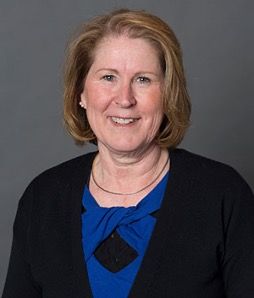
Dr. Rena Carlson steps in as the 2023-2024 AVMA President. Congratulations to Dr. Sandra Faeh who was elected as AVMA President-Elect. Dr. Jennifer Quammen is the AVMA Vice President for another year.
By Debra Nickelson The Major Resolution There were nine resolutions brought forward to the House of Delegates for review during the summer session in July. Such resolutions are brought to the House if a new policy is created, an existing policy needs rewording or if the Board of Directors determines the policy to be pertinent. A new policy on safeguarding care for animals with veterinary-led teams passed in that the AVMA will vigorously defend the practice of veterinary medicine against the scope of practice expansions by non-veterinarians. Basically, this policy is against proposals for a mid-level professional and urges full use of veterinary technicians in conjunction with the veterinary team. This is the full verbiage of the resolution: “Safeguarding Care for Animals with Veterinarian-Led Teams Animals deserve safe, efficacious, and high-quality care, and animal owners should be able to fully trust the veterinary services provided for them. Accordingly, the AVMA will vigorously defend the practice of veterinary medicine—which includes the ability to diagnose, prognose, develop treatment plans, prescribe, and/or perform surgery—against scope of practice expansions by non-veterinarians that threaten patient health and safety, the safety of animal products, and/or public health. Veterinary healthcare is enhanced through efficient utilization of each member of the team through appropriate delegation of tasks and responsibilities by the veterinarian.” ( AVMA ) This following appeared in a recent issue of Brakke report: “The Coalition for the Veterinary Professional Associate (CVPA) – a nonprofit association with over 32 expert veterinary professionals representing a wide variety of stakeholders in their respective fields nationwide – announced the advancement of the Veterinary Professional Associate (VPA) position. This will be an accredited and licensed new role that will directly address the call related to the existing national veterinary provider shortage in support of rural and companion animal needs with access to care.” ( EINnews ) Other Resolutions A revised policy on Canine Devocalization discouraged convenience devocalization as a nontherapeutic procedure that negatively impacts the welfare of the dog. A revised policy on Docking of Lamb’s Tails passed with AVMA opposing excessively short tail docking. A revised policy on Tail Docking of Cattle passed which added that the veterinarian use procedures and practices that reduce or eliminate pain and distress, including the use of AMDUCA permissible clinically effective medications. A new policy on Sheep and Goat Castration was referred back to the Animal Welfare Committee for revisions on recommended ages. A new policy on Sheep and Goat Disbudding and Dehorning was referred back to the Animal Welfare Committee for more clarification on recommended ages and the fact that these procedures usually do not apply to sheep. A revised policy on Physical Restraint of Animals passed after being carefully amended to cover physical handling and/or restraint, minimizing fear, pain, distress, and suffering and protecting people from harm. A new policy on Canine Hybrids passed after amendments to cover offspring of such hybrids. This policy eliminated language that encouraged the development of drugs and vaccines for use in canine hybrids. A resolution called “Statement to the Profession” says that the AVMA recognizes the importance of public practice to the entire veterinary community, supports efforts for recruitment and retention benefits from increased Congressional funding for all federal agencies’ incentive programs, removal of the annual salary cap in declared emergency disease outbreaks, student loan repayment bonuses and other incentives the agency deems appropriate to encourage more veterinarians to enter and remain in public practice. Veterinary Information Forum Topics – Spectrum of Care The House of Delegates agreed that applying a spectrum of care helps to address the problem of affordability of veterinary care by offering a range of acceptable care options that are evidence -based while remaining responsive to client expectations and financial and other resource limitations. – Sustainability in Veterinary Medicine: The Greening of Veterinary Workplaces The House of Delegates recognized One Health – the intersection of human health, animal health, and ecosystem health. We can promote sustainability across our profession by applying eco principles and being thoughtful on how we use resources. Again, it is our honor to represent you, not just during the HOD sessions, but all year. AAIV thanks Dr. Ellen Lowery for representing you during the last four years and mentoring me in the House of Delegates. We welcome Dr. Tim Smaha as your new alternate delegate, who will join me on the house floor at the Veterinary Leadership Conference this January. Please let us know what questions and concerns you have via industryvets@gmail.com .